Lost in Methodenstreit: Reflections on Theory, History, and the Quest for a Science of Association
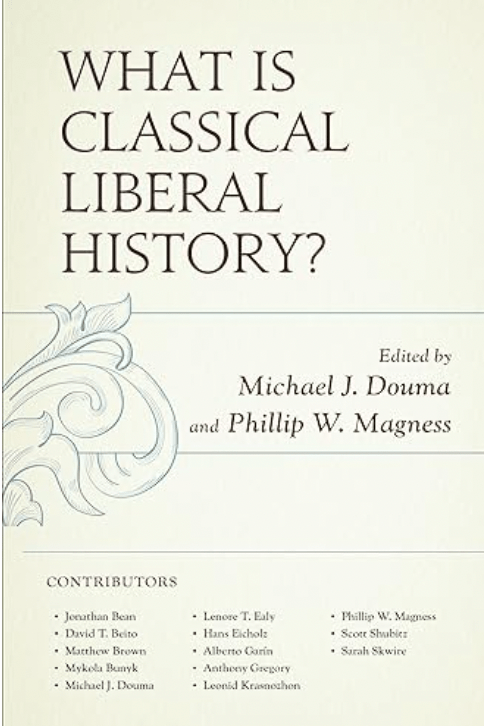
In my contribution to What is Classical Liberal History? , edited by Michael Douma and Phil Magness, I sought to offer a reflection on some of the epistemological and methodological problems that arose with the development of classical liberal thought. These problems can be seen in the successive methodological battles in which classical liberals have found it necessary to engage both in justifying their approach to creating a science of human action and in their working out of the historical, moral, and political implications of this science. I suggest that as classical liberal thought has developed into a distinct intellectual tradition that now seeks to narrate its own theory and history, its adherents have largely ignored addressing what may be the central historical puzzle that classical liberalism is challenged to solve. In failing more intentionally to address Alexis de Tocqueville’s call for a new science of association as a indispensible guide to human action in the democratic age, classical liberal scholars have as yet missed the opportunity to formulate a paradigm of social and political thought capable of garnering epistemic authority that might help democratic societies become less vulnerable to the paradoxical situation through which excessive individualism generated by equality of conditions produces despotic government.
 Lenore T Ealy
Leave a comment